- The Taj City – Agra – Our Mini INDIA
Agra , why i highlighted?
Because it is the city of love, culture and power designed from ancient centuries from The Great Akbar to The Great warrior Shivaji and The Great Maharanapratap that is from The Mughal Dynasty to The Mauryan Dyansty.The British came more earlier they gave us Education, Modesty, Power, Love and culture.
Cars Are Comfortable for the Journey?
Yes, travelling has become an important part of our daily life. Whether it is going to work, visiting family, exploring new places, or taking a short weekend trip, comfort plays a major role in deciding how enjoyable a journey will be. Among all the different ways of travelling, cars are one of the most common options. People often choose Taj mahal tour by car because they seem convenient, private, flexible and affordable.
Agra: From a Simple Rural Region to a Growing Modern Area
Agra is renowned globally for the Taj Mahal yet many overlook that the regions surrounding Agra were primarily agricultural. These small settlements and villages maintained a very basic way of life, life is peaceful, individuals rely primarily on agriculture and mainly works’ were scarce. Over time, the rural regions of Agra have undergone significant transformations. The change is not old or from centuries ago—it has occurred gradually because of improved roads, rising tourism, and additional job opportunities.
Previously, the majority of villages near Agra were linked by narrow pathways. Moving from one village to another required time. Individuals depended primarily on conventional agricultural methods. Wheat, millets, and vegetables were cultivated with simple instruments. Electricity was accessible but not consistently reliable in all areas. Schools were present, but numerous children needed to journey long distances or learn in cramped classrooms with scarce resources. Healthcare centers were limited in size, and residents frequently needed to travel to the main city for more extensive care.
However, as Agra began to attract more attention from tourism and industrial development, the rural regions started to transform as well. The initial significant enhancement appeared as improved roadways. Roads linked Agra with Delhi, Lucknow, Jaipur, and Gwalior. This accelerated travel, allowing vegetables, milk, and various products to access markets with greater ease. Gradually, stores, tiny eateries, and service establishments began to emerge along these paths, providing locals with additional employment opportunities.
The way of life is complicated. Individuals resides in families and the majority of population is connected to farming, ceramics and minor handicrafts. Women previously remained at home, engaging in domestic tasks or assisting men for work. Options for entertainment are quite restricted beacause of the consistency of local festivals or seasonal cultural events. Mobile phones and the internet were rare so communication mainly occurred on an individual.
Then, Improvements made to electricity and water services. Numerous regions were equipped with adequate streetlights and water mains, improving everyday living.
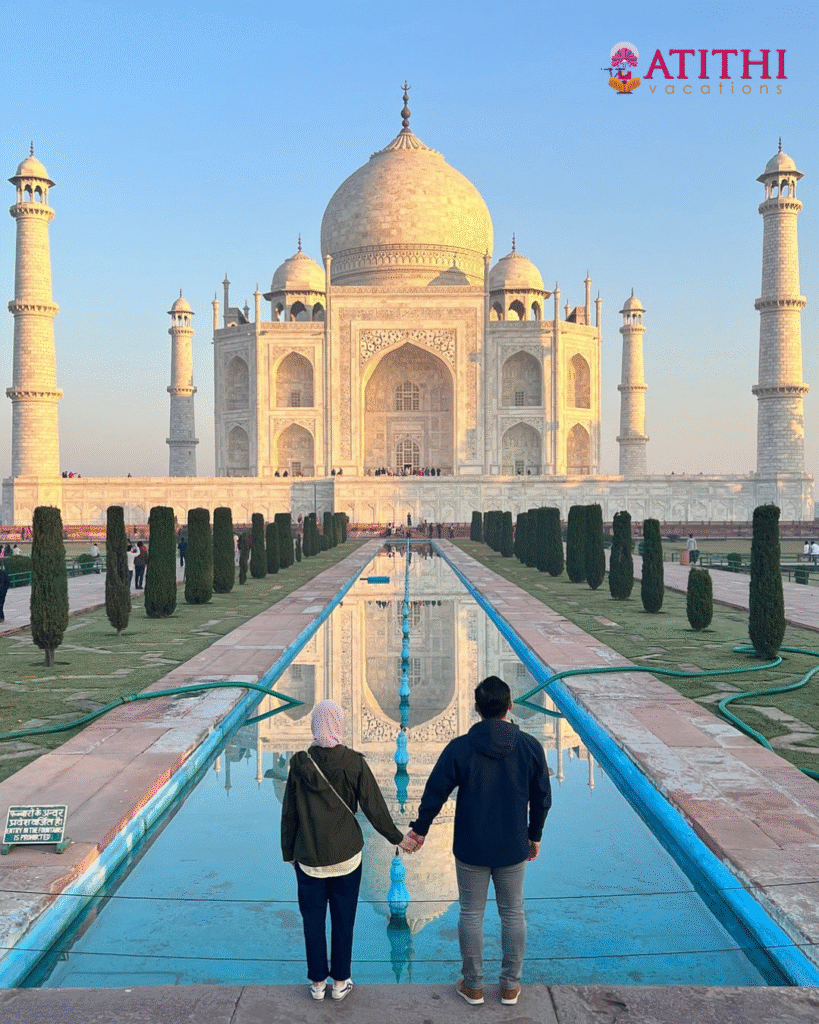
Despite these changes, the rural charm of Agra still remains the same ,The taj mahal. Fields of wheat and mustard, traditional festivals, and friendly communities are still part of daily life. The difference is that now people have more choices, more awareness, and more confidence about their future. They are trying to blend tradition with modern opportunities.Cars definitely offer a high level of comfort because of privacy, flexibility, modern features, and freedom of travel. But at the same time, factors like traffic, bad roads, driver fatigue, cost, and weather conditions can reduce that comfort. So, cars can be the most comfortable way to travel , while in other situations, they may not be the best option. The comfort level depends on where you are going, who you are travelling with, and what conditions you are facing on that particular day.